Madhya Pradesh's handloom story is anchored by two towns. Chanderi, ringed by Bundela forts, gave its name to a textile so fine the Mughal court demanded an annual tribute. Maheshwar, on the banks of the Narmada, became a weaving capital under the Holkar queen Rani Ahilyabai in the 18th century. Both traditions are alive today, GI-protected, and woven by hand in clusters of a few thousand families.
Region · Central
Madhya Pradesh.
The heartland of Chanderi and Maheshwari — silk-cotton sarees from temple towns on the Narmada, woven for over a thousand years.
Field guide
Weaves from Madhya Pradesh.
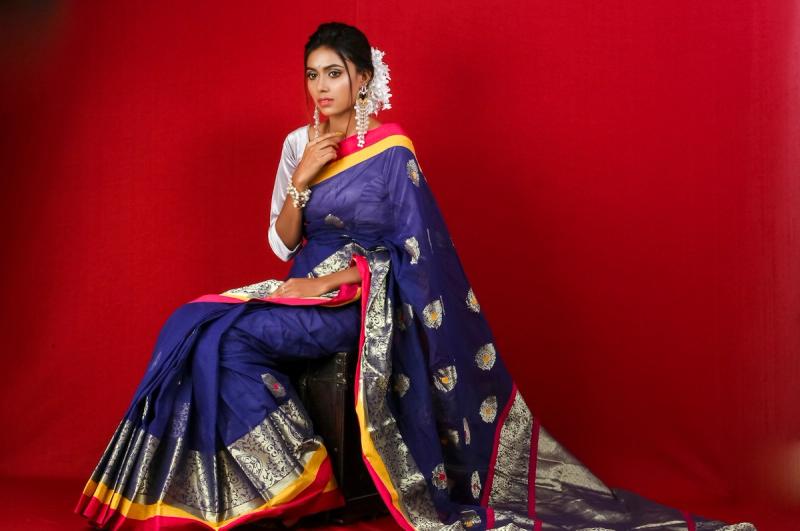
File № 03 Madhya Pradesh
Chanderi
Sheer, lightweight silk-cotton sarees from Madhya Pradesh — known for their translucent body, gold zari butis, and unmistakable shimmer in soft light.
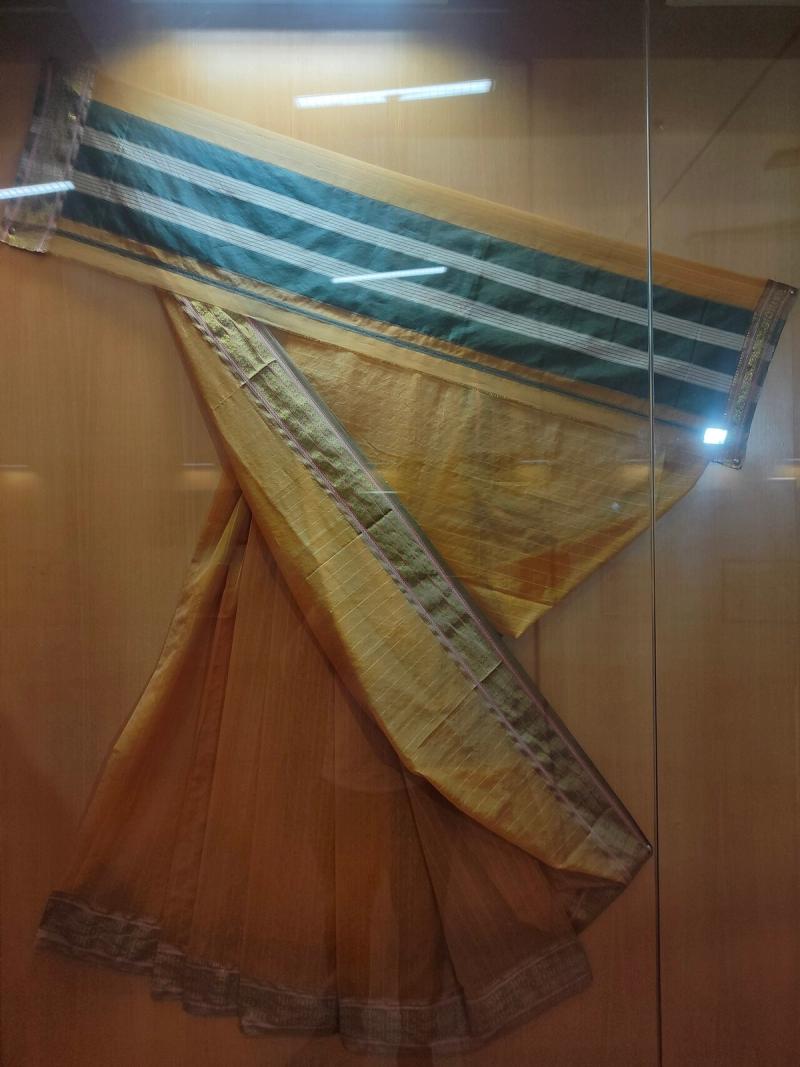
File № 09 Madhya Pradesh
Maheshwari
Reversible silk-cotton sarees from Maheshwar on the banks of the Narmada — known for striped pallus, fine borders, and the patronage of Rani Ahilyabai Holkar.
From the journal
Stories from Madhya Pradesh.
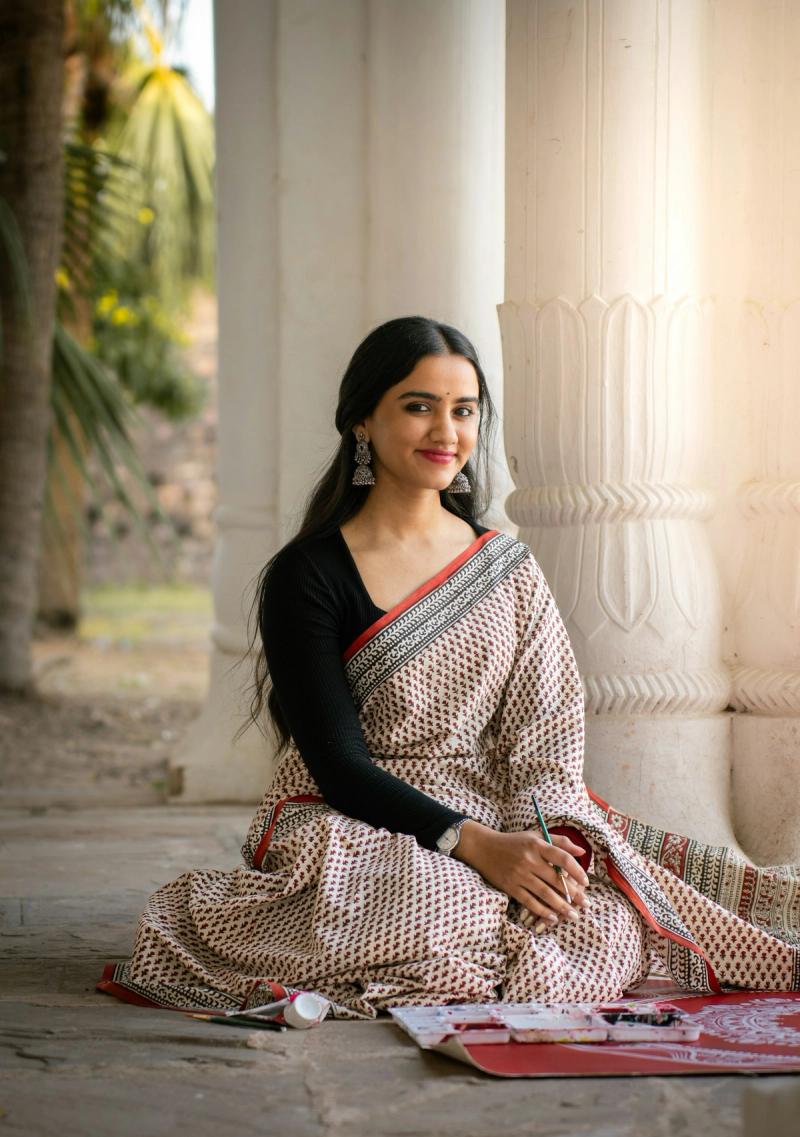
Buying Guide 9 May 2026
Why Chanderi Is India's Perfect Summer Saree
Sheer, silk-cotton, weightless on the shoulder — there's a reason Chanderi has been the go-to summer saree of north India for four centuries.
Buying Guide 6 May 2026
How to Spot an Authentic Chanderi: Five Telltale Signs
Power-loom Chanderi imitations are flooding the market. Here are the five checks — sheen, sound, weight, butis, and the GI tag — that take under a minute.
Buying Guide 30 Apr 2026
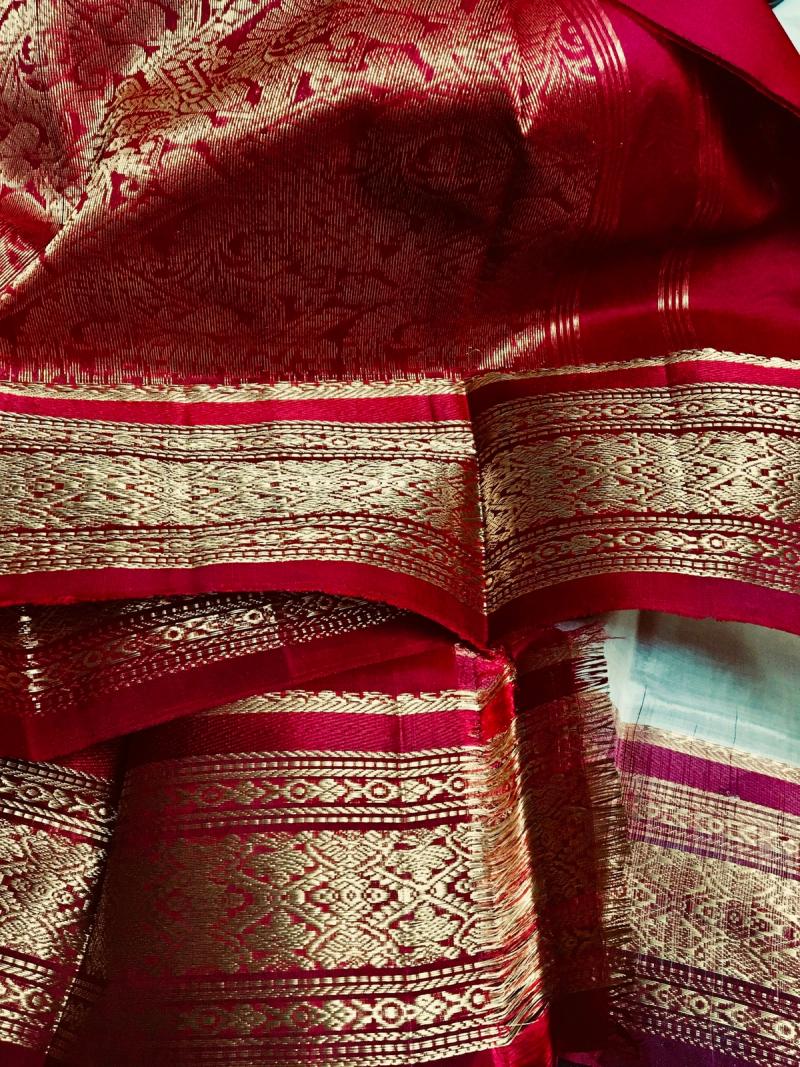
Chanderi vs Maheshwari: Which Should You Buy?
Both are silk-cotton, both come from Madhya Pradesh, both look similar to the untrained eye. Here's how to tell them apart and which suits which occasion.