How to Spot an Authentic Chanderi: Five Telltale Signs
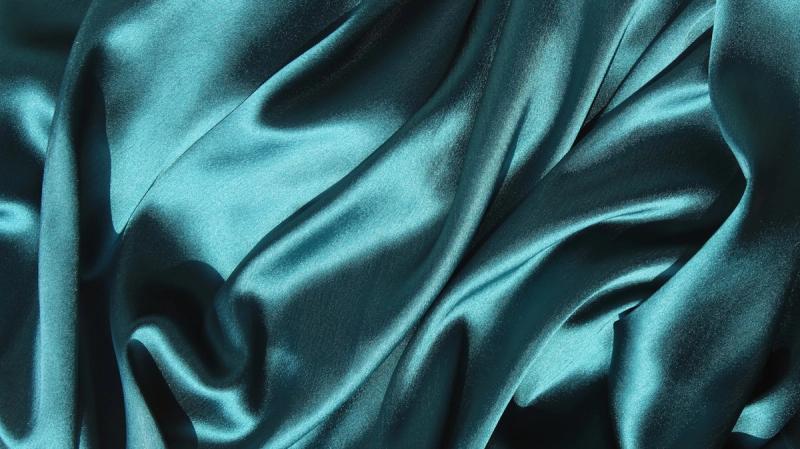
Power-loom Chanderi imitations are flooding the market. Here are the five checks — sheen, sound, weight, butis, and the GI tag — that take under a minute.
Stories, weaves, and traditions of India's living handloom heritage — from Banarasi silks and Patola double-ikat to the everyday cottons of Bengal.
Read the journalSheer, silk-cotton, weightless on the shoulder — there's a reason Chanderi has been the go-to summer saree of north India for four centuries.
Mughal-era silk brocades from Varanasi — recognisable by zari work, Persian motifs, and the unmistakable weight of pure silk.
Sheer, lightweight silk-cotton sarees from Madhya Pradesh — known for their translucent body, gold zari butis, and unmistakable shimmer in soft light.
South India’s temple silk — woven in Kanchipuram with three-shuttle technique, contrasting borders, and pure mulberry silk.
Double-ikat silk from Patan, Gujarat — both warp and weft pre-dyed, woven by only a handful of families.
Hand-woven discontinuous-weft muslin from Bengal — UNESCO-recognised for its diaphanous body and figured motifs.
Power-loom Chanderi imitations are flooding the market. Here are the five checks — sheen, sound, weight, butis, and the GI tag — that take under a minute.
Both are silk-cotton, both come from Madhya Pradesh, both look similar to the untrained eye. Here's how to tell them apart and which suits which occasion.
A practical, hands-on guide to spotting genuine Banarasi sarees — what to feel for, what the reverse should look like, and the GI tag check.
The mathematics of double-ikat — and the reason a single Patan Patola can carry a six-figure price tag.
Once written off as everyday wear, Tant has become the unlikely hero of contemporary Indian wardrobes.
Beyond the Nivi: nine regional drapes that show how a single six-yard cloth becomes a hundred different garments.
Home to Kanjivaram silk and Madurai cottons — temple-town weaving traditions tracing back centuries.
Banaras silk brocades, Chikankari embroidery from Lucknow, and the storied weaving lanes of Mubarakpur.
Patola double-ikat from Patan, Bandhani tie-dye, and Mashru silks of Kutch.
Jamdani muslins, Baluchari narrative silks, Tant cottons of Shantipur and Phulia.
Pochampally ikat, Gadwal cottons with silk borders, and Venkatagiri jamdani.
The heartland of Chanderi and Maheshwari — silk-cotton sarees from temple towns on the Narmada, woven for over a thousand years.
A monthly letter on Indian handlooms — no spam, easy to unsubscribe.