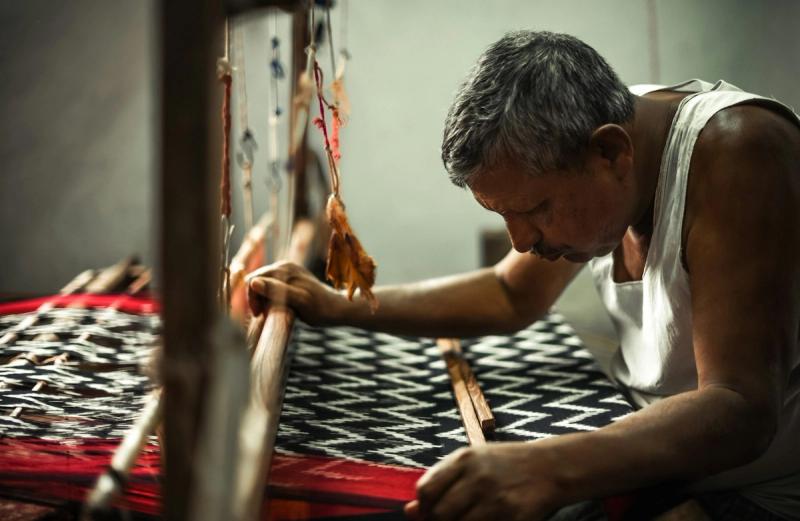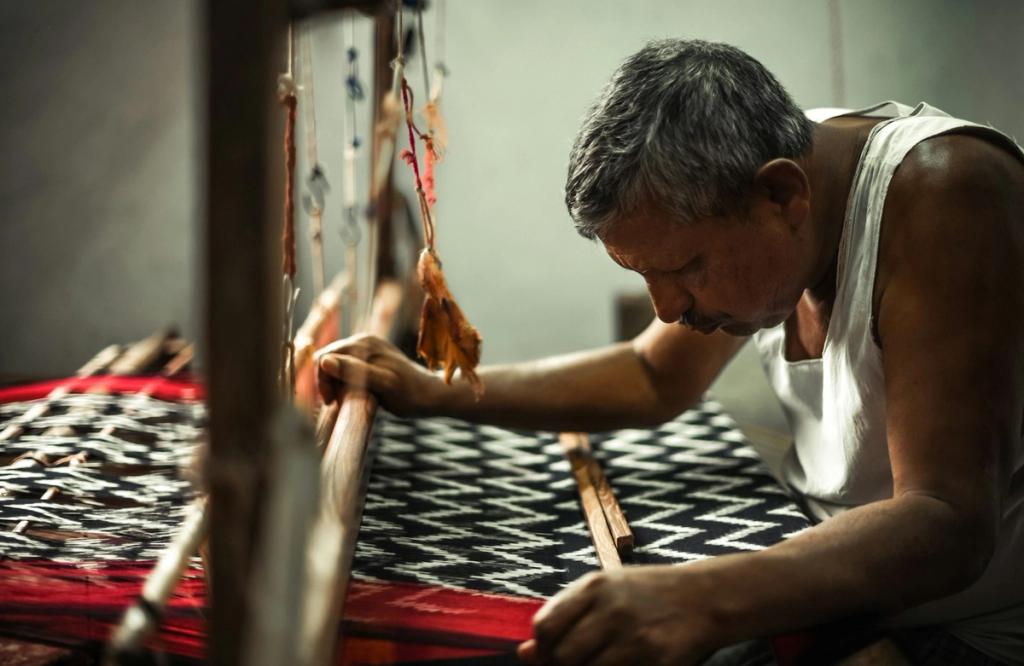
How to Spot an Authentic Chanderi: Five Telltale Signs
Power-loom Chanderi imitations are flooding the market. Here are the five checks — sheen, sound, weight, butis, and the GI tag — that take under a minute.
Buying guides, weave histories, regional explorations, and care notes — written for anyone who wants to look at a saree and see the story behind it.
Sheer, silk-cotton, weightless on the shoulder — there's a reason Chanderi has been the go-to summer saree of north India for four centuries.
Power-loom Chanderi imitations are flooding the market. Here are the five checks — sheen, sound, weight, butis, and the GI tag — that take under a minute.
Both are silk-cotton, both come from Madhya Pradesh, both look similar to the untrained eye. Here's how to tell them apart and which suits which occasion.
A practical, hands-on guide to spotting genuine Banarasi sarees — what to feel for, what the reverse should look like, and the GI tag check.
The mathematics of double-ikat — and the reason a single Patan Patola can carry a six-figure price tag.
Once written off as everyday wear, Tant has become the unlikely hero of contemporary Indian wardrobes.
Beyond the Nivi: nine regional drapes that show how a single six-yard cloth becomes a hundred different garments.
Storage, folding, dry cleaning vs. home care, and what to do when zari starts to oxidise.
Geographical Indication is everywhere on saree labels. Here is what it does and does not certify.