Weaves of
India.
Each tradition is a distinct technique, region, and lineage. Here's how they began, what makes them special, and how to recognise them.
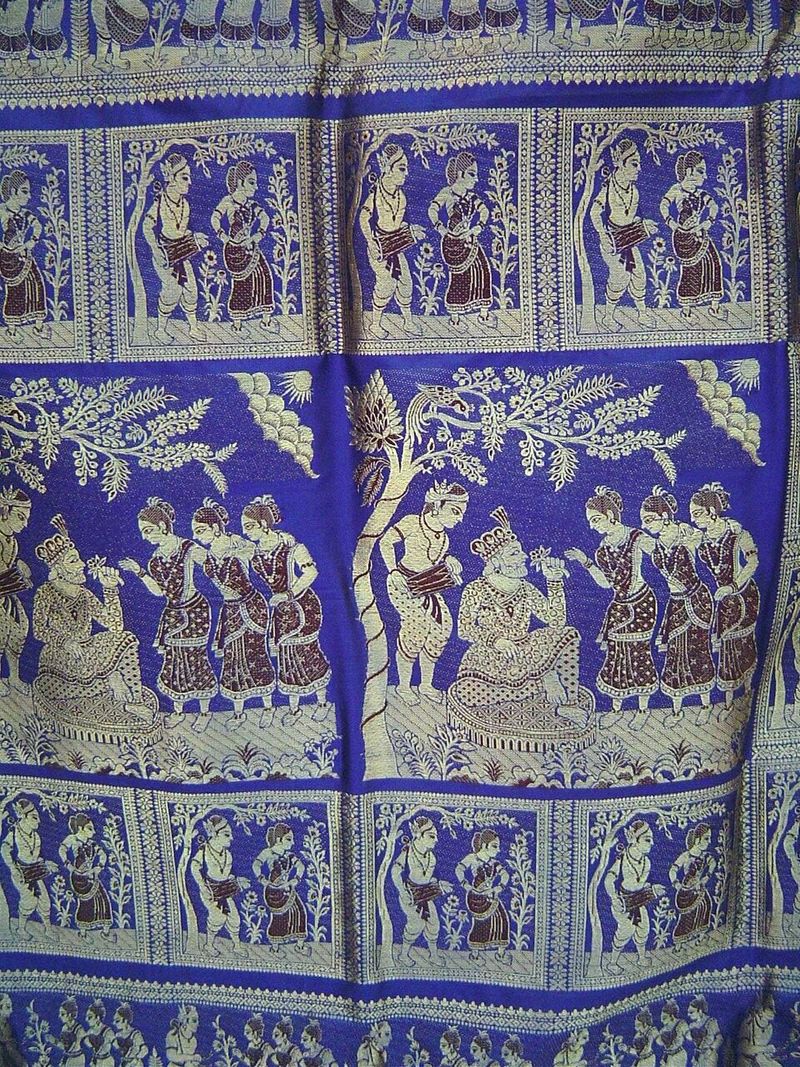
Baluchari
Bengal's narrative silk — pallus that depict scenes from the Mahabharata, the Ramayana, and 18th-century court life, woven on jala looms in Bishnupur.
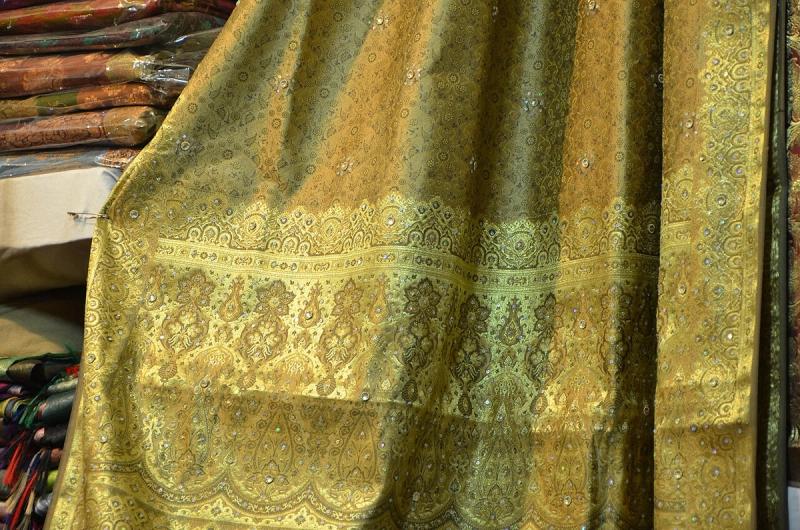
Banarasi
Mughal-era silk brocades from Varanasi — recognisable by zari work, Persian motifs, and the unmistakable weight of pure silk.
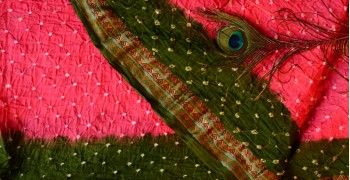
Bandhani
Rajasthan and Gujarat's tie-dye craft — thousands of tiny knots tied by hand before dyeing, producing fields of dots in vivid contrast colours.
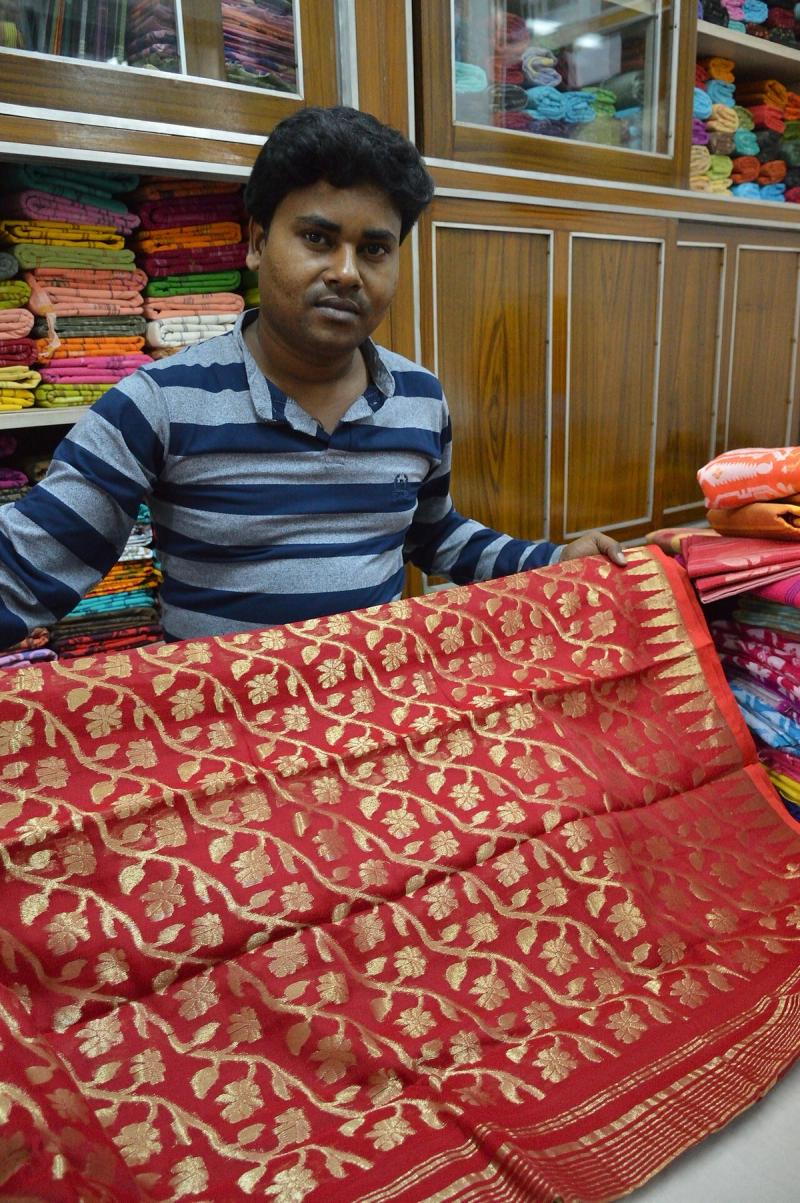
Bhagalpuri Tussar
Bihar's "silk city" cloth — golden tussar silk woven in Bhagalpur, with a textured slub and a warm honey lustre.
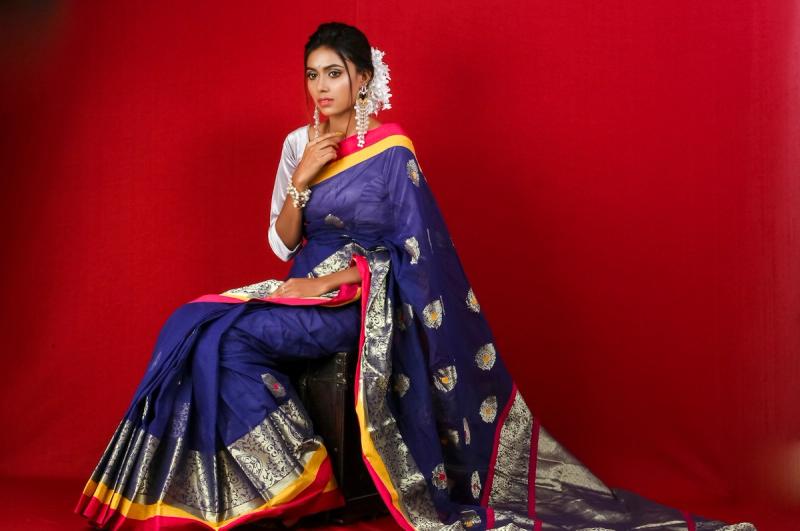
Chanderi
Sheer, lightweight silk-cotton sarees from Madhya Pradesh — known for their translucent body, gold zari butis, and unmistakable shimmer in soft light.
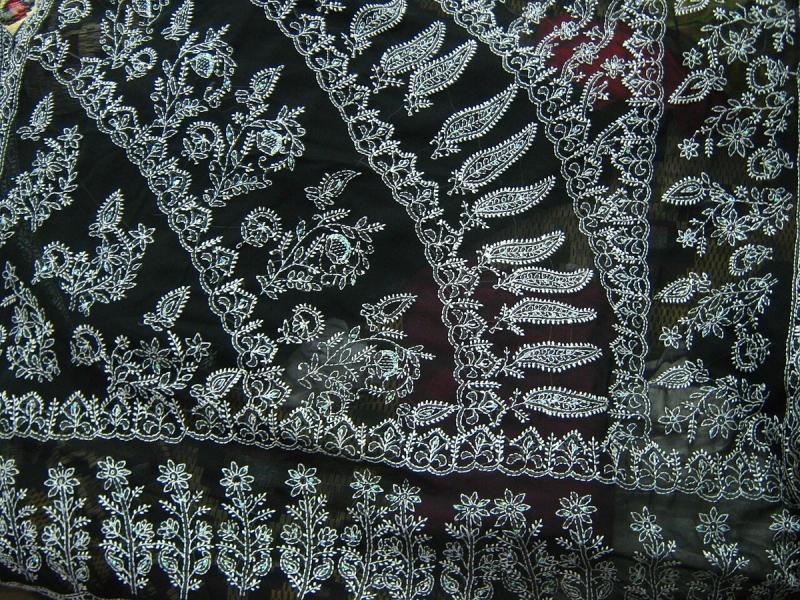
Chikankari
Lucknow's white-on-white shadow embroidery — fine cotton mulmul worked with thirty-two distinct stitches, traceable to the Mughal court of Nur Jahan.
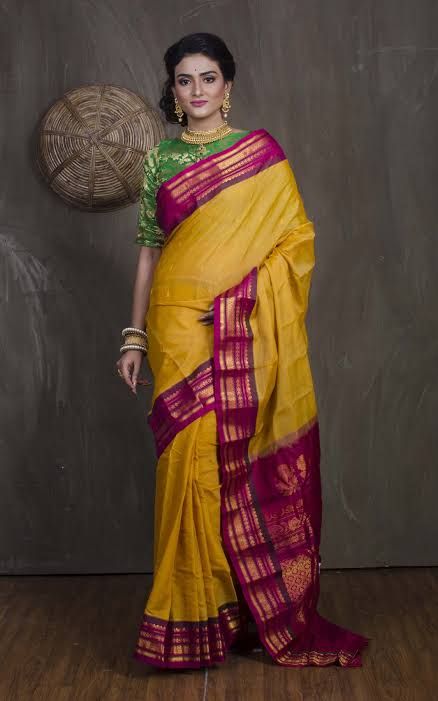
Gadwal
Telangana's silk-cotton hybrid — a cotton body joined by interlocking pitni weave to a pure-silk silk pallu and border, allowing two textiles in one saree.
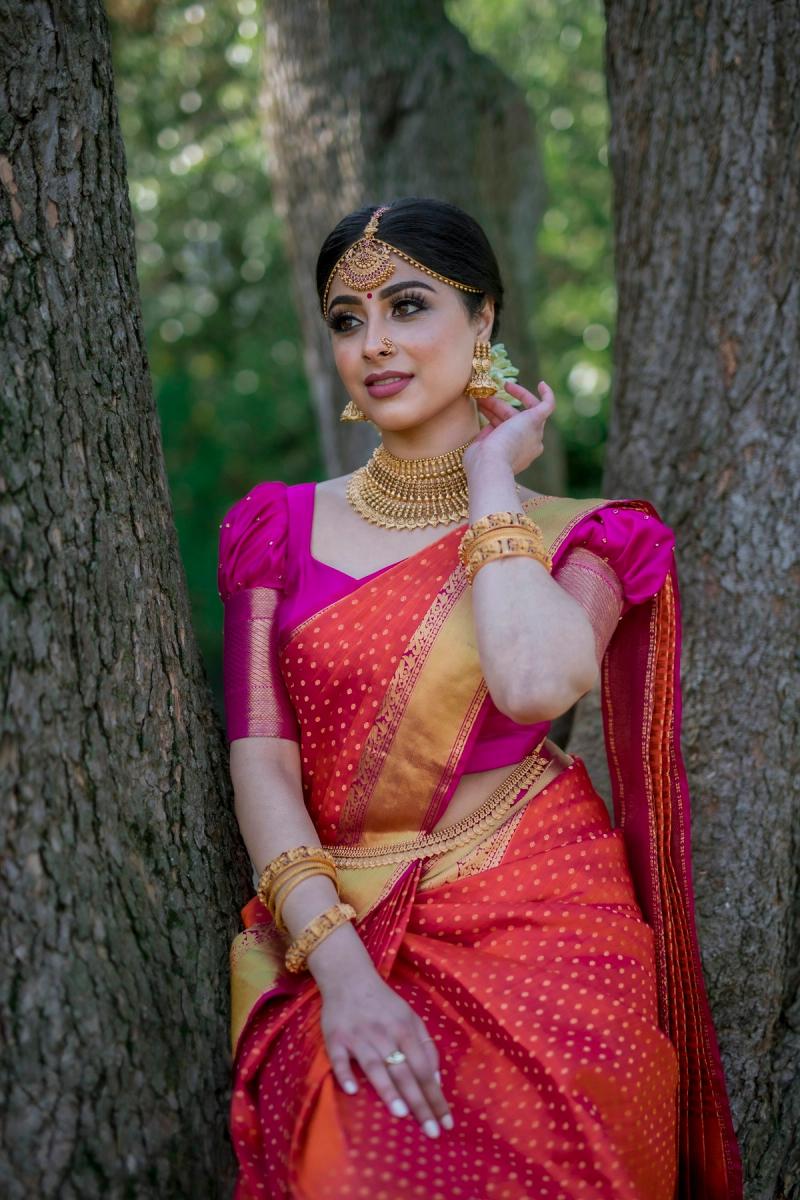
Jamdani
Hand-woven discontinuous-weft muslin from Bengal — UNESCO-recognised for its diaphanous body and figured motifs.
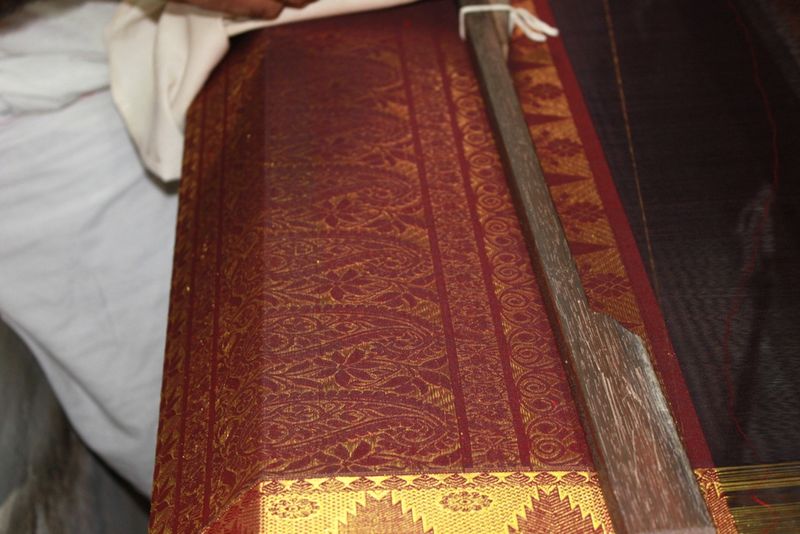
Kanjivaram
South India’s temple silk — woven in Kanchipuram with three-shuttle technique, contrasting borders, and pure mulberry silk.
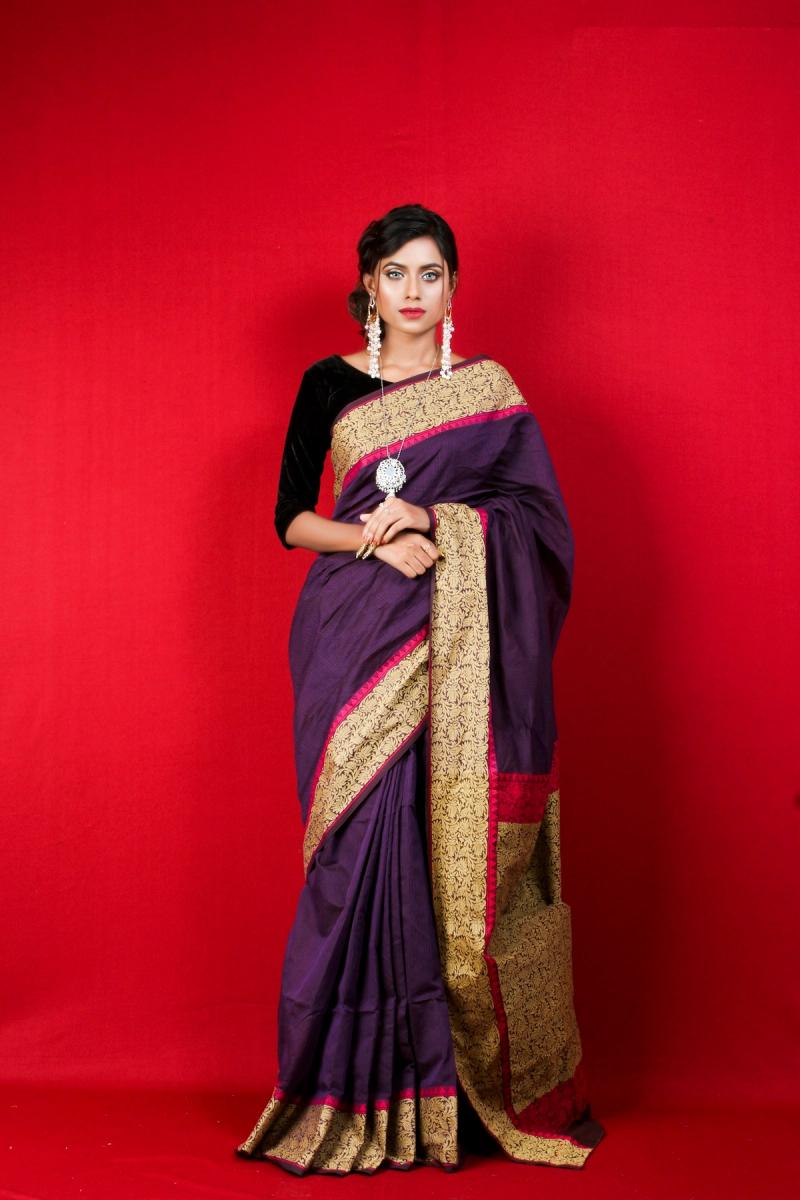
Kasavu
Kerala's cream cotton with a thin gold-zari border — the saree of Onam and Vishu, woven in Balaramapuram on traditional pit looms.
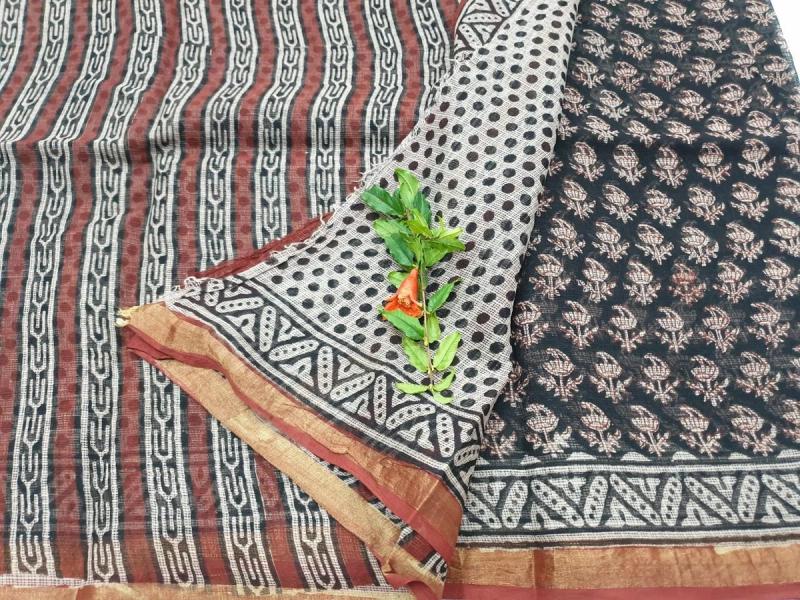
Kota Doria
Rajasthan's near-translucent silk-cotton — woven in a checkered "khat" pattern in the town of Kaithoon, with a featherweight drape ideal for hot summers.
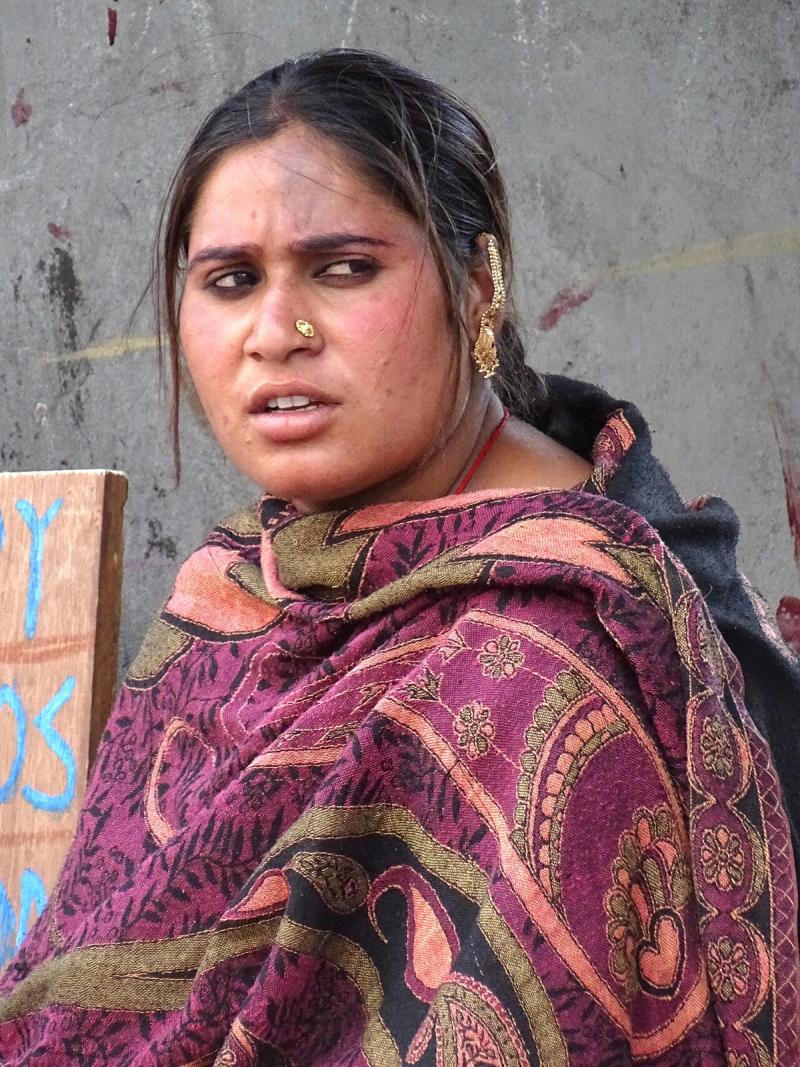
Kullu Shawl
Himachal's pattu-style wool shawl — bold geometric yokes in vivid colours, hand-loomed by women in the Kullu valley over winter months.
Madurai Sungudi
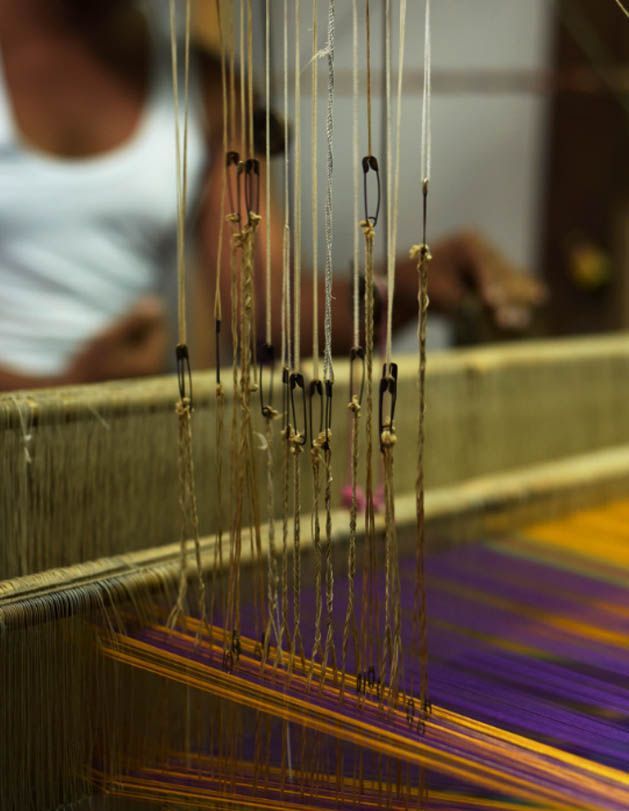
Tamil Nadu's temple-town cotton — block-printed or hand-dyed in turmeric and reddish browns, light enough to wear in 40°C and historically dyed in temple tanks.
Maheshwari
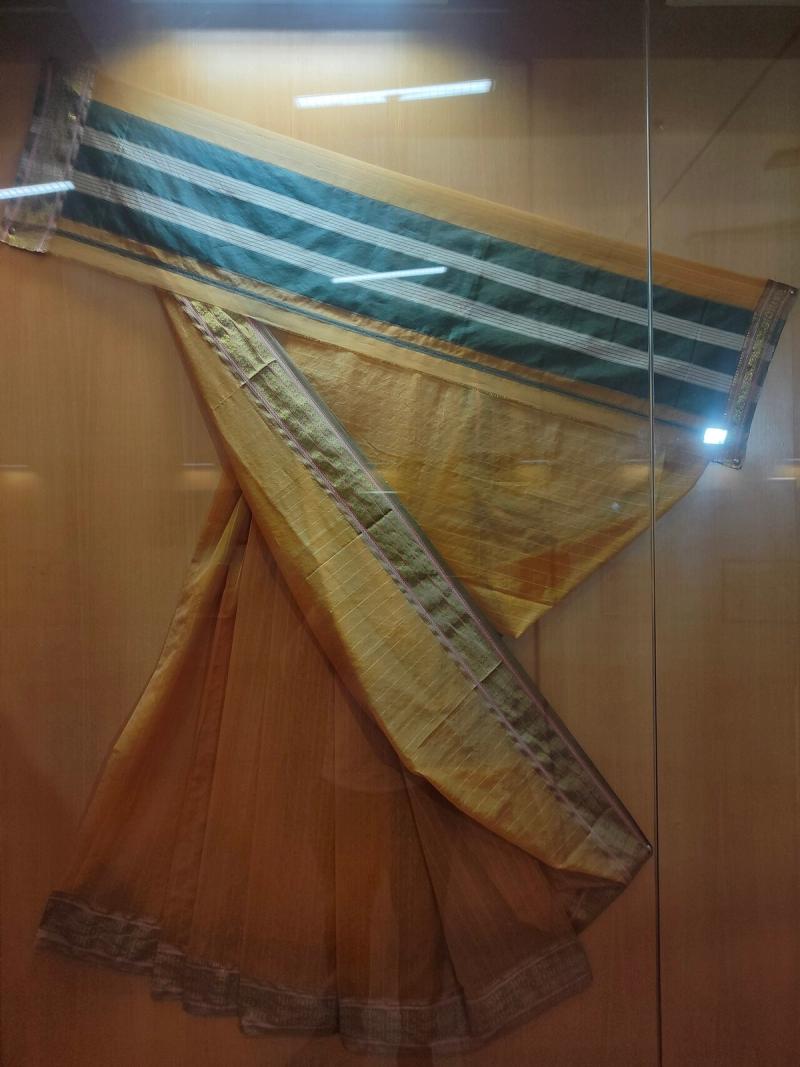
Reversible silk-cotton sarees from Maheshwar on the banks of the Narmada — known for striped pallus, fine borders, and the patronage of Rani Ahilyabai Holkar.
Mangalagiri
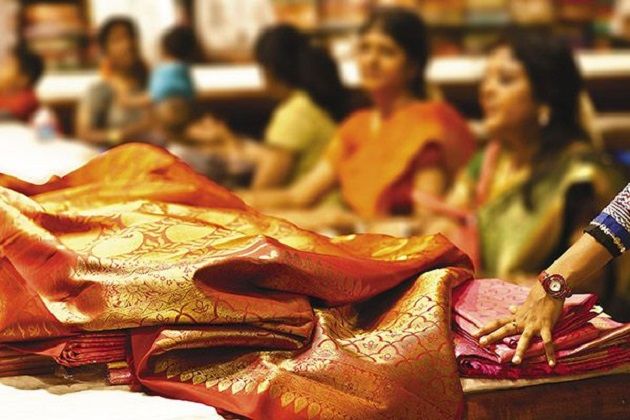
Andhra Pradesh's reversible cotton — woven on pit looms in the temple town of Mangalagiri, with a signature nizam border in pure gold or copper zari.
Mashru
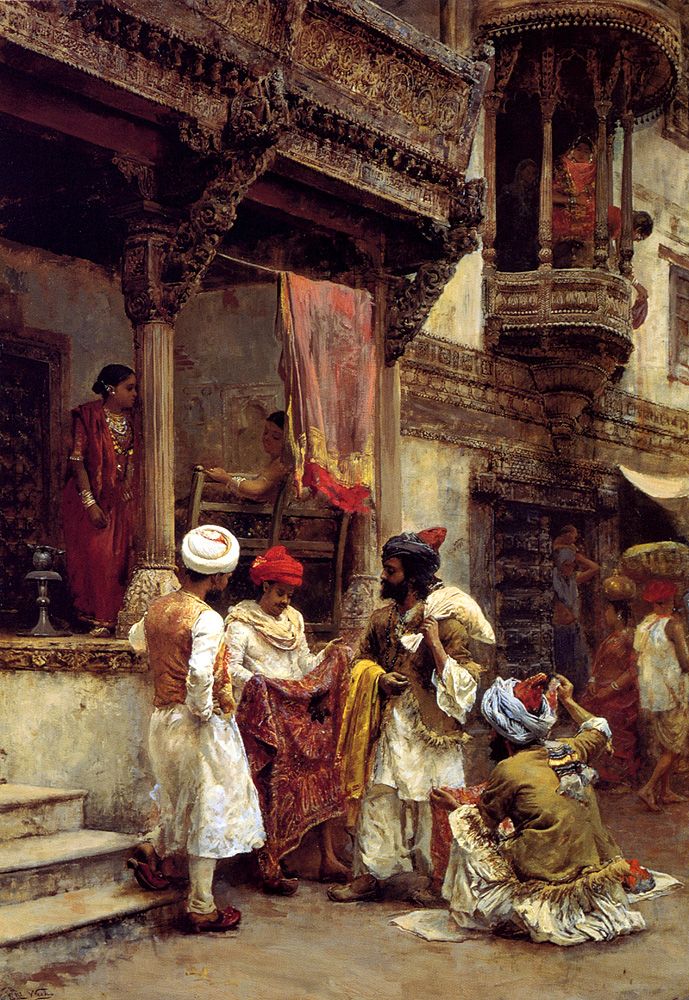
Gujarat's silk-faced cotton — silk on the outside, cotton against the skin — historically woven for Muslim communities whose religious code restricted pure silk on skin.
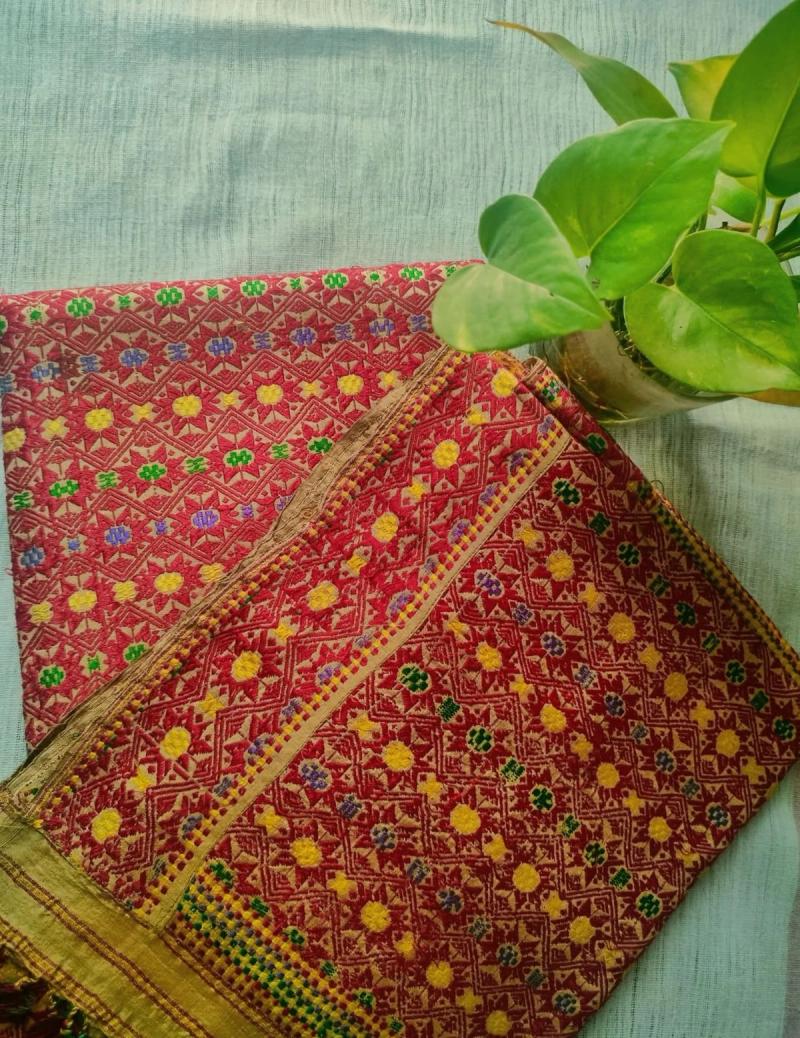
Muga Silk
Assam's endemic golden silk — produced only by the Antheraea assamensis moth and only in the Brahmaputra valley, with a natural sheen that strengthens with age.
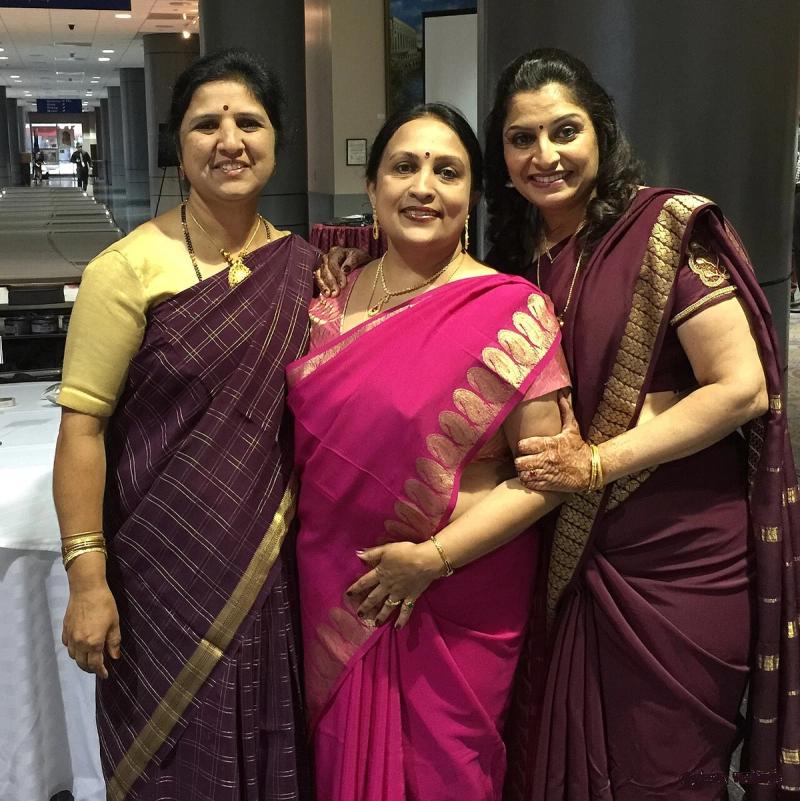
Mysore Silk
Karnataka's state-produced pure silk crepe — uniform sheen, restrained zari, woven at the Karnataka Silk Industries Corporation in Mysuru since 1912.
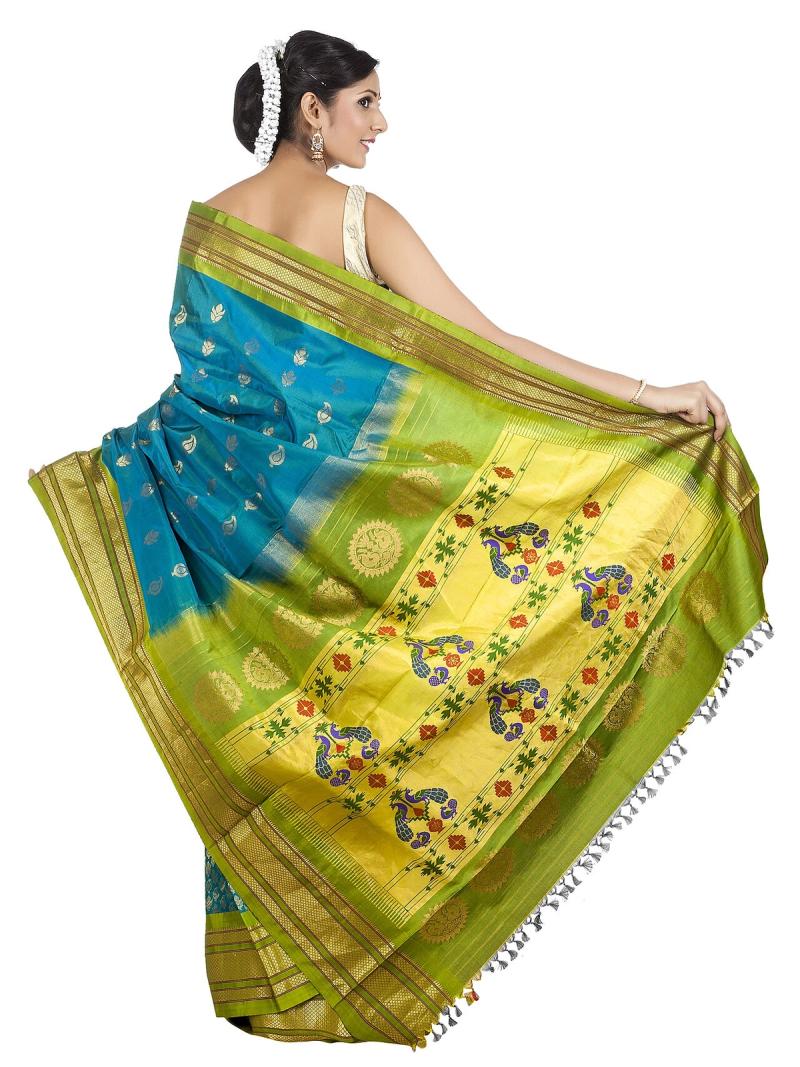
Paithani
Maharashtra's most prized silk — woven in Paithan with peacock-and-lotus pallus, gold zari, and a tradition tracing back two thousand years.
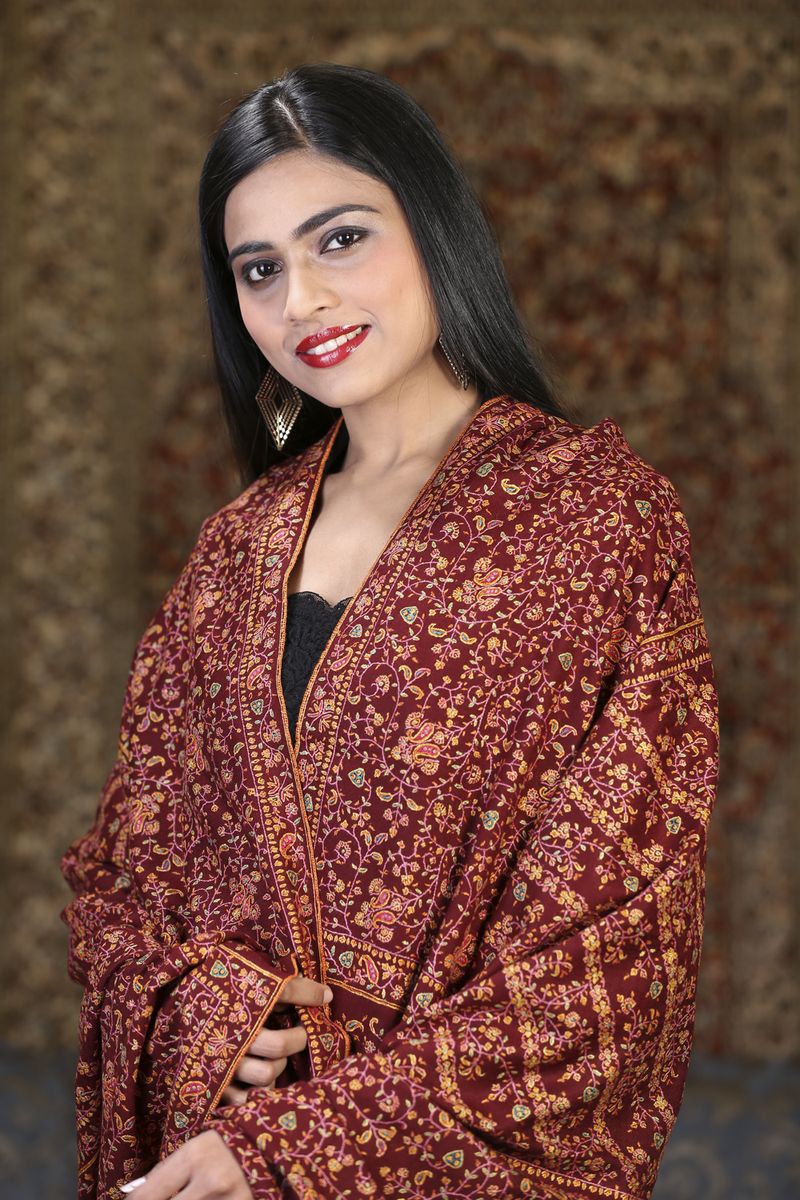
Pashmina
Hand-spun cashmere wool from the Changthangi goat — the highest, finest, and warmest of India's textile traditions, woven on Srinagar's pit looms.
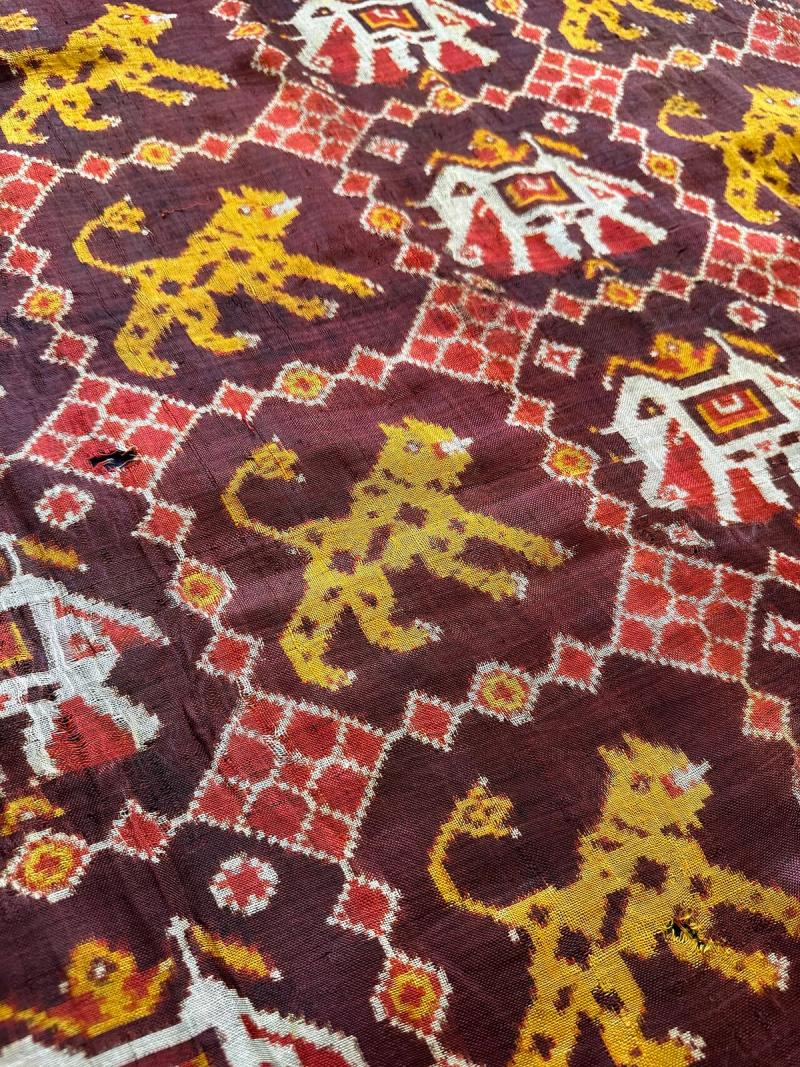
Patola
Double-ikat silk from Patan, Gujarat — both warp and weft pre-dyed, woven by only a handful of families.
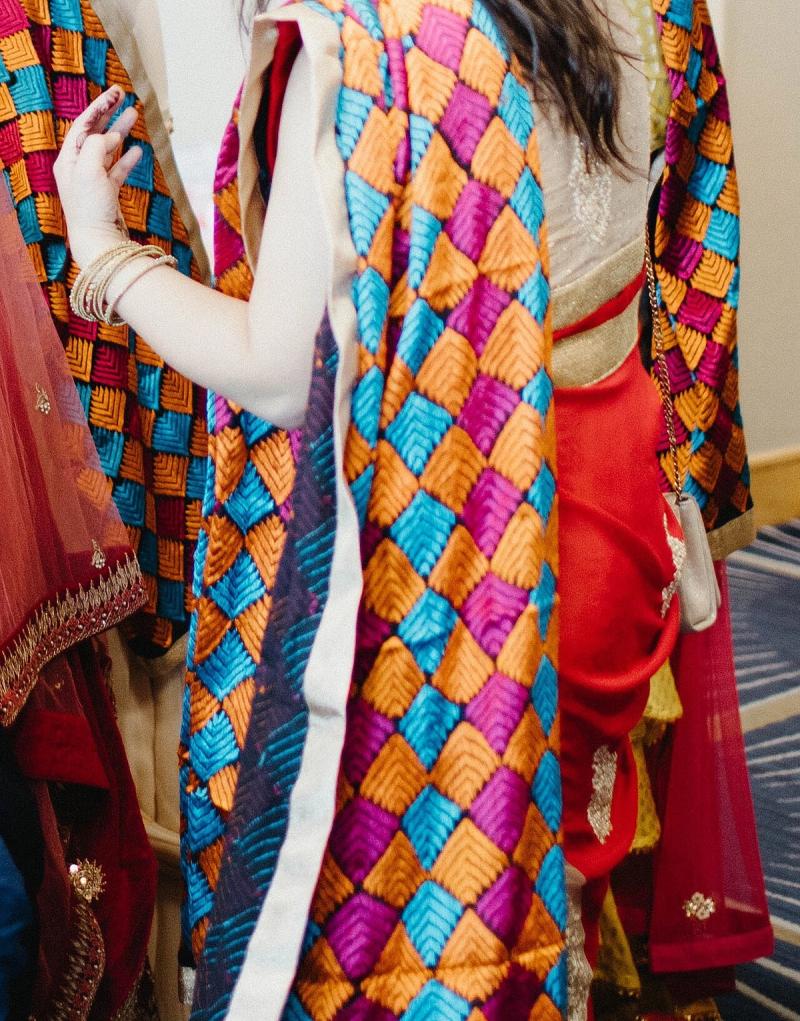
Phulkari
Punjab's "flower-work" — dense silk-floss embroidery on hand-spun khadi, traditionally part of a bride's dowry, now experiencing a careful revival.
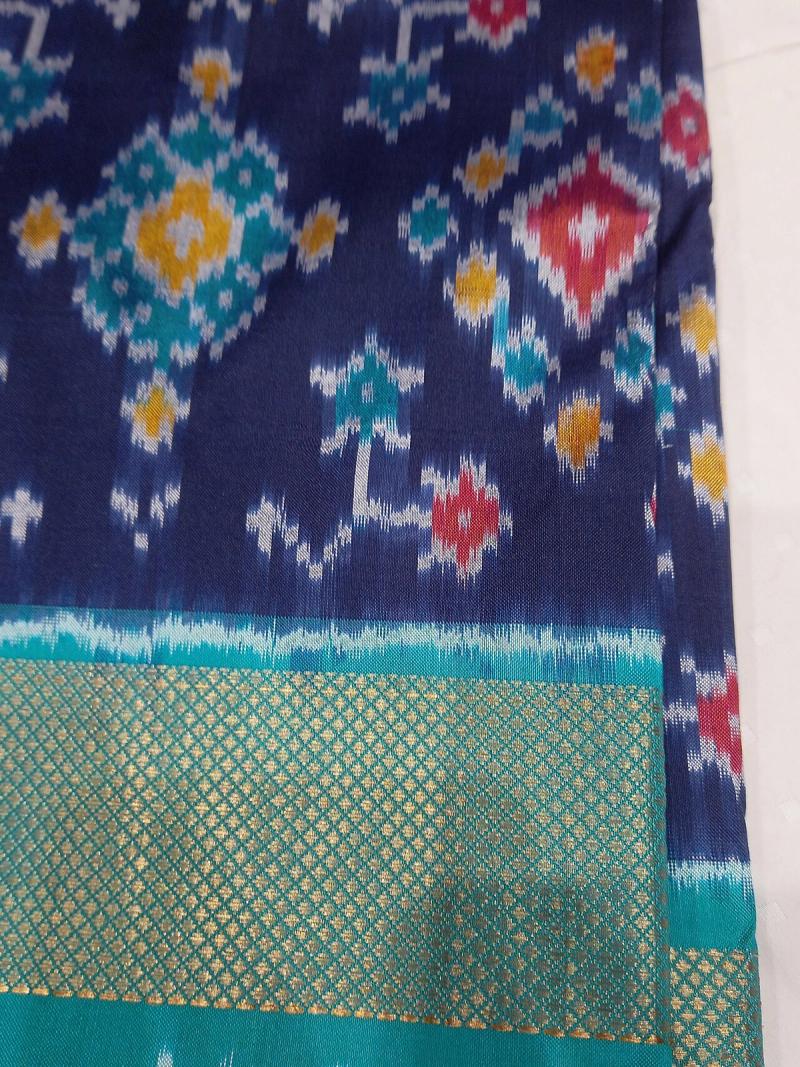
Pochampally
Telangana ikat — geometric, diamond-grid patterns achieved by tying and dyeing yarn before it ever hits the loom. GI-protected since 2005.
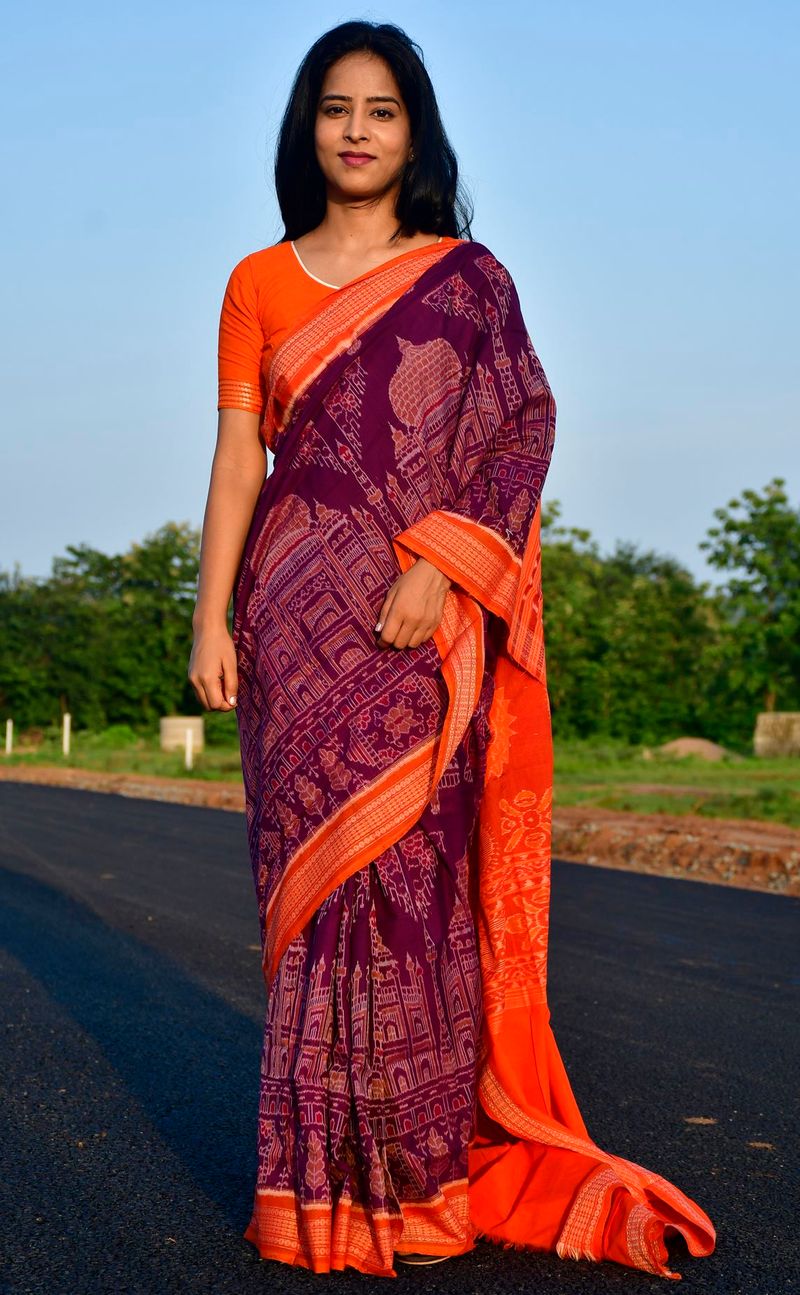
Sambalpuri
Odisha's ikat tradition — warp-and-weft pre-dyed yarn woven into motifs of the conch, wheel, and lotus, with deep ties to the temple of Lord Jagannath.
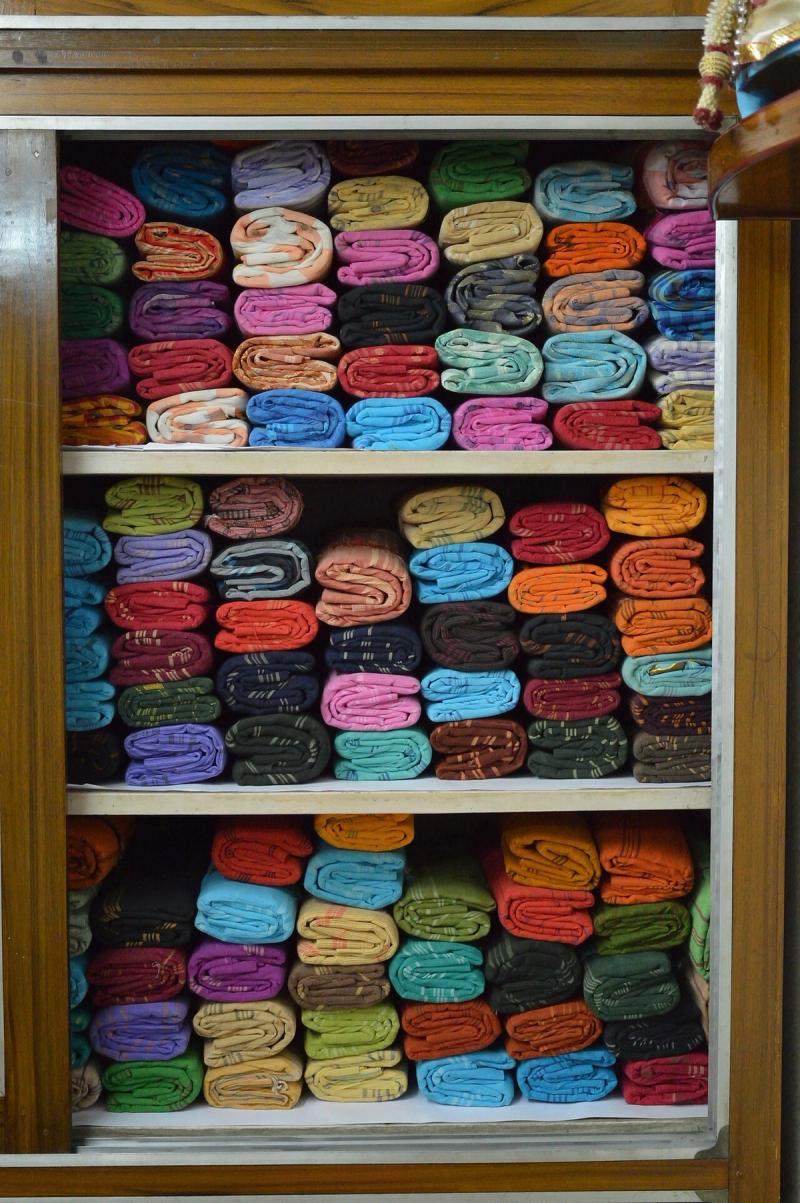
Tant
Bengal's everyday handloom — crisp, breathable cotton from Phulia and Shantipur, woven with a contrasting border and a light, weightless drape.